Today
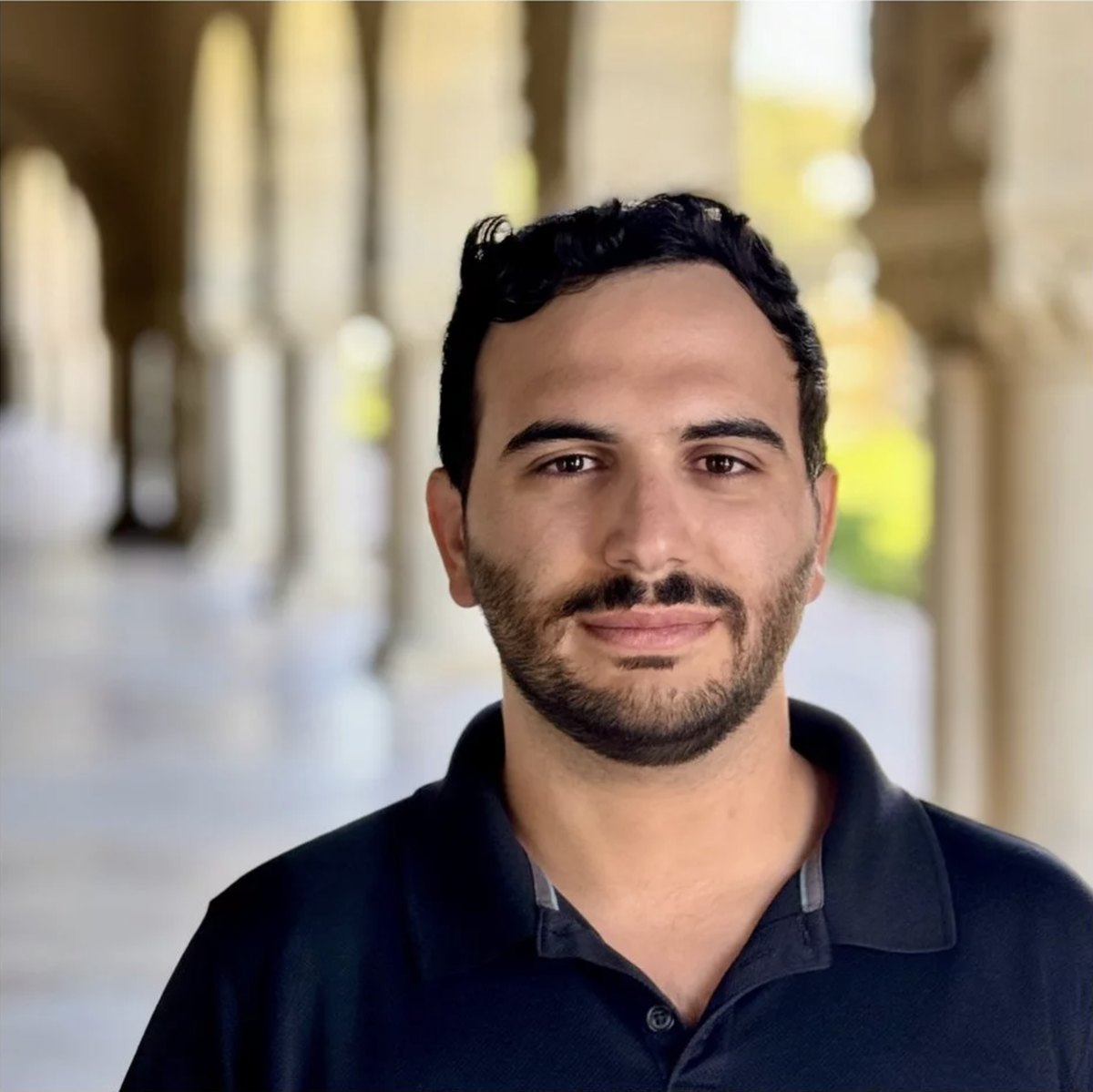
My work is organized around two directions: AI for Science and AI for Systems. They are two outward directions built on the same computational foundation.
A short account of the research trajectory behind my current work.
My work is organized around two directions: AI for Science and AI for Systems. They are two outward directions built on the same computational foundation.
Before AI reshaped this landscape, scientific computing was a loop: design the code or the system around a scientific question, run it, port it to new hardware, tune performance and data movement, and then go back to the simulations, instruments, data, and collaborating scientists around the problem.
That is the background I came from: scientific computing, high-performance computing, and distributed systems, including simulation codes, memory systems, source-to-source parallelization, runtime behavior, and distributed computation.
AI changed that loop and pushed my work in two directions. In AI for Science, I develop AI methods in collaboration across fields such as materials, physics, and biology. In AI for Systems, I study how models and agents can operate on code, parallelism, performance, and the hardware-software stack itself.
What ties it together is the same computational viewpoint: how to pose a hard problem, how to make the machine behave the way it should, and how to learn something real from the result.